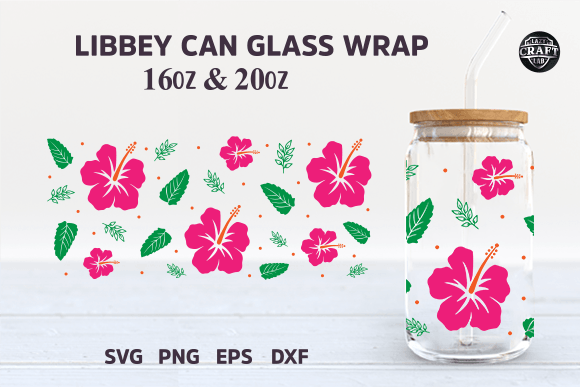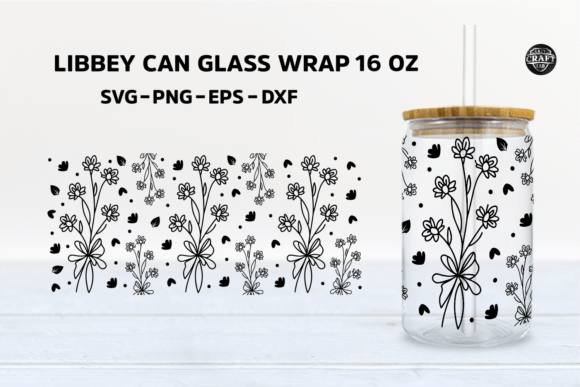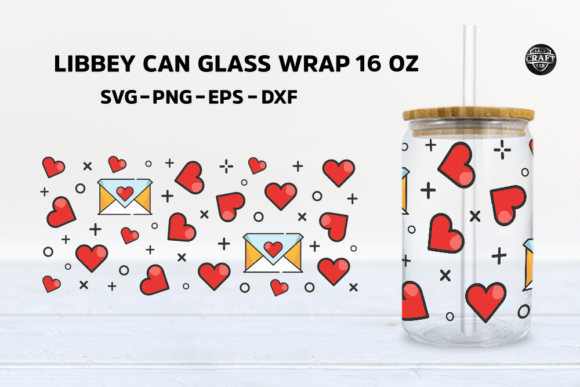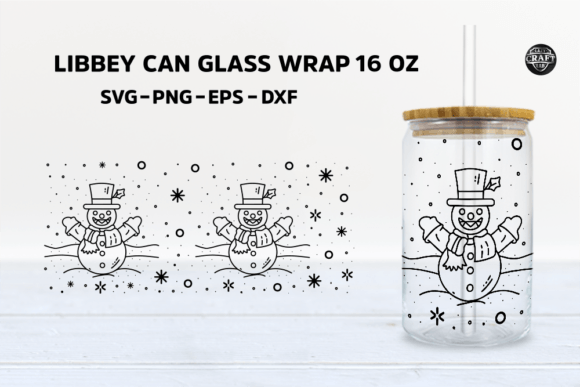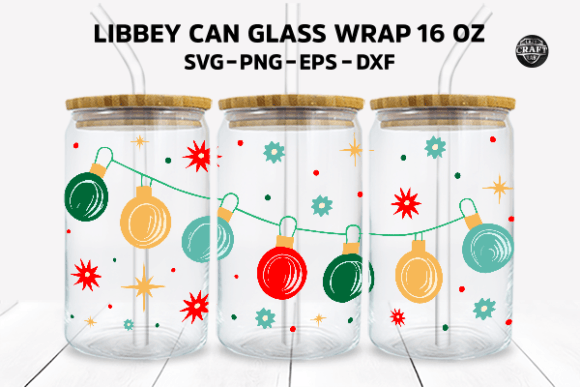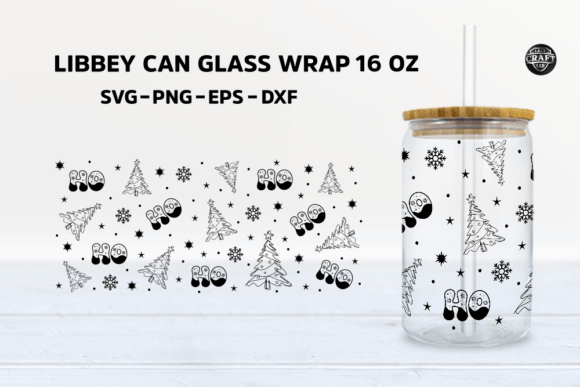
HoHoHo Can Glass SVG 16oz Libbey Full
A Designer’s First Look: Festive, Clean, and Built for Real Stitching
When I opened HoHoHo Can Glass SVG 16oz Libbey Full, my first thought wasn’t “cute holiday graphic”—it was “this will stitch cleanly.” The layout is balanced: bold lettering anchors the top, the central “HoHoHo” has rhythmic spacing and generous curves, and the can silhouette wraps naturally around the implied tumbler shape. It doesn’t scream “clipart.” It reads as intentional—designed for a physical object, not just a screen. As someone who’s stitched hundreds of holiday motifs onto sweatshirts, totes, and kitchen towels, I appreciate how little visual clutter there is. No tiny holly berries, no overwrought shading, no fragile stems that vanish under satin stitch. That simplicity isn’t lazy—it’s strategic.
Where This Design Earns Its Keep (and Where It Doesn’t)
I tested HoHoHo Can Glass SVG 16oz Libbey Full on a medium-weight cotton tote bag—my go-to for holiday market prep—and it performed exactly as expected: crisp edges, readable lettering at 3.5”, and zero puckering when paired with lightweight cutaway stabilizer. It’s ideal for custom apparel where clarity matters more than complexity: think embroidered sweatshirts for a small shop’s holiday pop-up, baby onesies with festive flair, or linen tea towels for boutique gifting. The design’s vertical rhythm works especially well on curved surfaces like aprons or pillow covers—no awkward stretching or distortion when digitized properly.
But let’s be real: this isn’t a one-size-fits-all embroidery file. On thin or stretchy fabrics—like jersey tees or ribbed baby caps—those bold letterforms need extra stabilization and possibly reduced stitch density to avoid shadowing or fabric distortion. And while the SVG format makes resizing straightforward, shrinking it below 2.75” risks losing legibility in the “HoHoHo” lettering, especially in fill-stitch areas. I wouldn’t use it for tiny cap fronts without simplifying the inner curves first. Likewise, dense fill areas (like the base of the can shape) demand careful thread color contrast—light thread on dark fabric needs tighter stitch tension checks, and vice versa.
What Customers Actually See—and Why It Matters
Here’s the unspoken truth: buyers don’t care about your digitizing software or hoop size. They see whether the finished product feels handmade, thoughtful, and worth the price. HoHoHo Can Glass SVG 16oz Libbey Full lands well because it balances festivity with restraint. It reads instantly as “holiday,” but not kitschy. When stitched on a heavyweight canvas tote or a soft fleece blanket, it reads as premium—not printed, not iron-on, but *embroidered*. That perception lifts perceived value, builds trust with Etsy shoppers scanning listings, and makes personalized gifts feel genuinely special. For craft business owners, that translates directly to better conversion and fewer returns.
Real-World Fit: A Holiday Tote Bag Project
Last week, I prepped five dozen totes for a local café’s holiday gift bundle—each with a different festive phrase. HoHoHo Can Glass SVG 16oz Libbey Full was the standout. Paired with deep forest green thread on natural canvas, the contrast was warm and rich—not jarring, not washed out. Customers commented on how “clean” and “classic” it looked next to busier designs. One even asked if it was hand-stitched. That’s the gold standard: when machine embroidery reads as intentional craftsmanship, not mass production.
Smart Embroidery Moves Before You Stitch
Before committing to a full run—whether for your own shop, a client order, or a craft fair batch—do these six things:
- Test on scrap fabric using your exact stabilizer, thread, and machine settings—not just on paper.
- Check thread color contrast in both daylight and indoor lighting; red thread on burgundy fabric often reads muddy.
- Review stitch density in the can’s base and letter interiors—if it looks overly heavy in your embroidery software, reduce fill density slightly.
- Confirm hoop size compatibility; while the design fits standard 4x4 hoops at full scale, resizing up for a 20oz Libbey glass may require a 5x7 hoop.
- Inspect small details like inner curves and letter junctions—these are where thread breaks or skipped stitches most often happen.
- Verify licensing before selling finished items or digital embroidery files. The listing says it’s editable for other Libbey sizes, but commercial use terms must be confirmed directly with the seller.
Final Thought: A Reliable Tool, Not a Magic Fix
HoHoHo Can Glass SVG 16oz Libbey Full won’t replace your digitizing skills—but it does save time, reduce guesswork, and deliver consistent results across apparel, home goods, and personalized gifts. It’s a strong, adaptable embroidery file for designers who value clarity over clutter and craftsmanship over complication. Use it where its boldness shines: on structured fabrics, medium-to-large hoop projects, and products meant to feel joyful, handmade, and unmistakably holiday-ready. Just remember—the best machine embroidery design is the one you’ve tested, trusted, and tailored to your process. This one earns that trust quickly.