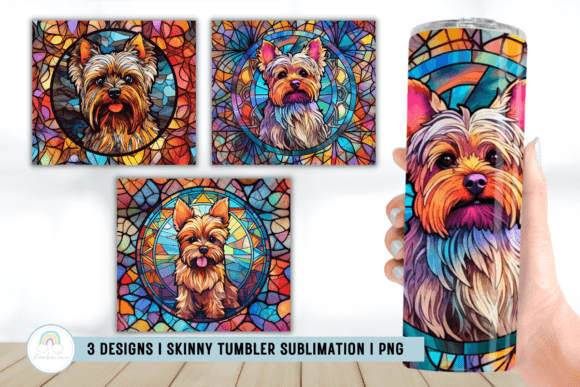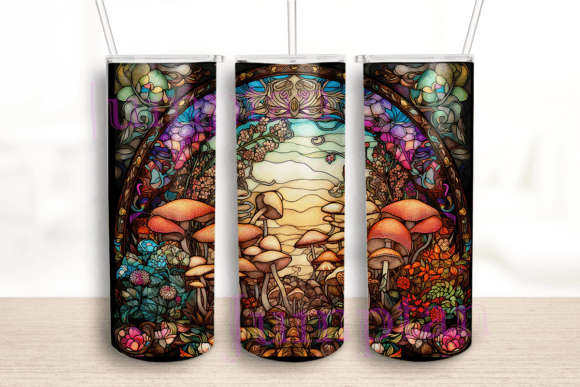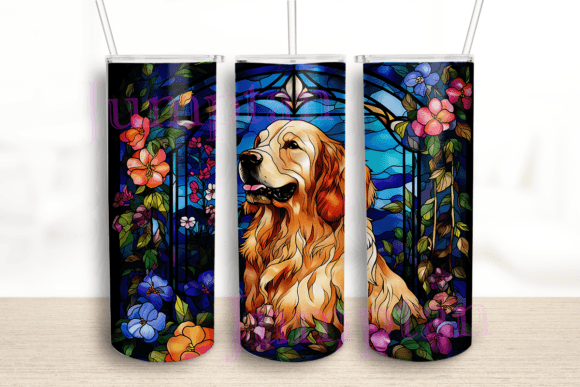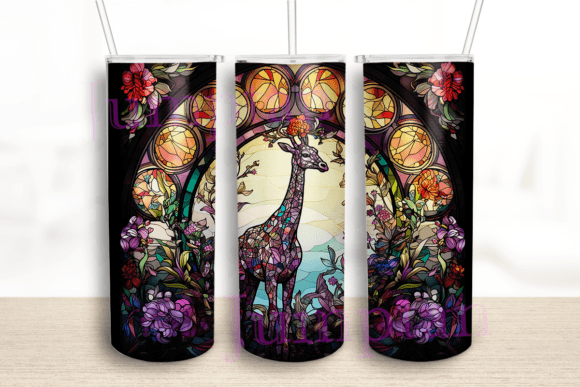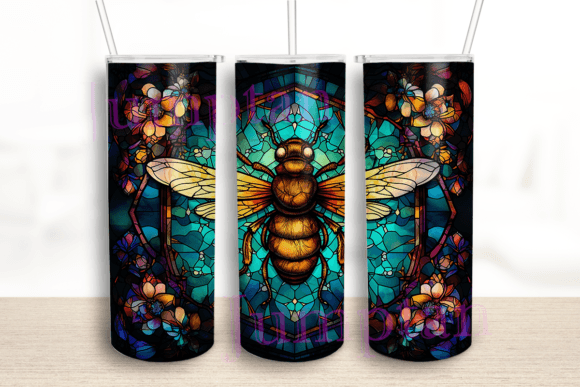
Stained Glass Flying Bee Tumbler: Graphics for Crafts Brands
A First Impression That Buzzes With Personality
When I opened the Stained Glass Flying Bee Tumbler files for a recent project with a local honey-infused skincare brand, my first thought wasn’t “cute bee”—it was “instant brand warmth.” The stained glass effect delivers rich jewel tones, crisp lead lines, and luminous transparency that reads as both artisanal and intentional. It leans into handmade charm without feeling childish, and carries enough elegance to sit comfortably on a boutique candle label or a seasonal coffee shop tumbler. This isn’t generic clipart—it’s a considered graphic design asset with visual weight, rhythm, and narrative. For small business branding, that distinction is everything.
Where This Design Earns Its Place in Real Local Business Projects
I used the Stained Glass Flying Bee Tumbler across three core touchpoints for the skincare client: product labels (for their limited-edition lavender-honey balm), packaging accents (as a foil-stamped motif on kraft boxes), and social media graphics (as a hero element in Instagram Reels promoting their “Bee Kind” summer campaign). Each time, it elevated perception—shifting from “locally made” to “thoughtfully crafted.” That subtle lift in perceived value comes from consistency: same bee, same color integrity, same sense of light and texture across physical and digital spaces.
Stronger Shelf Appeal & Smarter Visual Hierarchy
On product labels, the tapered PNG version wrapped beautifully around their 4 oz amber glass jars—no distortion, no pixelation. Because the design includes clean transparency, it layered seamlessly over soft matte backgrounds without clipping errors. That meant clearer visual hierarchy: the bee drew the eye first, then the hand-lettered product name, then the minimalist ingredient list. Customers paused. They photographed it. They tagged the brand. That’s not luck—that’s professional branding powered by a high-res, well-structured graphic design asset.
Better Packaging, Better Trust
Small business owners often underestimate how much packaging design influences customer trust. A busy, low-res illustration says “I rushed this.” The Stained Glass Flying Bee Tumbler says “I invested in quality.” When printed at 300 DPI on uncoated stock, the lead lines held definition, and the color saturation stayed true—critical for handmade businesses where authenticity is currency. For food businesses or botanical brands especially, that balance of playfulness and polish builds immediate credibility.
Smart Uses Across Your Brand Ecosystem
This asset shines brightest where decoration supports—not competes with—your message. Think: hang tags for handmade soap, thank-you cards tucked inside subscription boxes, decorative borders on printable recipe cards, hero banners for farmers’ market booths, or animated social media graphics that highlight seasonal launches. It works powerfully in editorial design for local magazines, web design headers for boutique websites, and even as a subtle watermark on digital product mockups shared with wholesale buyers.
Where to Proceed With Intention
Don’t force it onto cramped ingredient panels, legal disclaimers, or ultra-minimalist luxury packaging—its ornamental nature needs breathing room. Avoid pairing it with dense sans serif body text or overlapping it with high-contrast photography where detail gets lost. And never assume it scales down cleanly: test the straight and tapered versions side-by-side on a 1.5” label mockup before finalizing print files. On dark or busy backgrounds, verify transparency holds and edges stay sharp.
Practical Brand Designer Notes You’ll Actually Use
- Always preview the PNG files in black and white—stained glass relies on tonal contrast, and some hues flatten unexpectedly.
- Test both the straight and tapered versions against your brand’s primary fonts: it pairs beautifully with serif and script styles but can overwhelm tight sans serif layouts.
- Check commercial licensing thoroughly—this is a digital product from a creative marketplace, and usage rights matter for client work, physical product sales, and resale packaging.
- Run a real print test: order a single-label proof before bulk runs. Ink absorption on kraft paper versus glossy sticker stock changes how the lead lines read.
- Use it beside competitor packaging—does it stand out with warmth and craft, or get lost in the noise? That tells you more than any mood board ever could.
Why This Matters for Small Business Branding Right Now
In an era where consumers choose local for connection—not convenience—the Stained Glass Flying Bee Tumbler helps small business owners signal care, craftsmanship, and cohesion. It’s not just decoration. It’s shorthand for values: natural ingredients, small-batch production, community roots, joyful intention. When applied consistently across packaging design, product label, social media graphics, and promotional visuals, it becomes part of your brand identity—not an add-on, but an anchor.
Final Thought: Design Assets Are Business Tools
That WHAT YOU RECEIVE 01 ZIP file containing two high-resolution PNGs isn’t just pixels—it’s leverage. Leverage to speed up design timelines, strengthen customer recognition, and present your local business with the polish it deserves. For handmade sellers, food brands, florists, and boutique owners building real-world presence, the right graphic design asset doesn’t just look good—it works harder than you do.